


Dual Sensors in EC Screwdrivers—Half the TCO?
Screw connections must fit securely—and they must do so reliably, consistently, and verifiably. In practice, this often means more inspections, more testing of tools, and more administrative work. High costs. What if the tooling technology itself could take over some of these inspection tasks, thereby reducing inspection costs and downtime?
Even EC motors are subject to regular testing cycles!
Even sensor-controlled screwdriving systems must be inspected regularly. This is because they, too, occasionally exhibit deviations or sensor failures. For highly critical applications, a highfrequencyof inspectionand retestingis therefore oftenrequired—with the following consequences:
- Significant manpower and costs associated with quality assurance
- Tools are temporarily removed from production → Downtime
- External analyses or laboratory tests are required → additional costs
Technical redundancy as a solution:
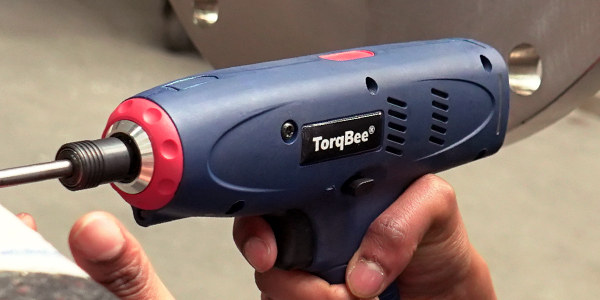
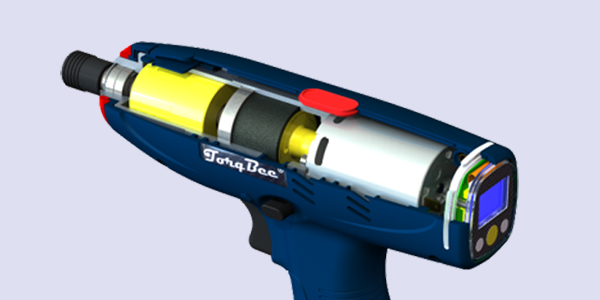
The TorqBee EC2Series features true redundancy: two independent measurement systems operate in every cordless handheldscrewdriver.
- Rotating torque transducer (on the output side): acts as the master, controls the tightening process, and precisely transmits the force to the joint.
- Static torque transducer (behind the transmission): Monitors the output of the rotating transducer in real time and detects deviations or failures in the master.
Both sensors use different, clearly distinct technologies—true redundancy based on the principle required, for example, in power plant construction. This significantly increases process reliability.
Specific Benefits for Assembly, Quality, and Purchasing
- Approval for Suits Classes A, B, and C in accordance with VDI/VDE 2862, Parts 1 & 2
- Maximum protection against failure of the master measurement system: Fewer unplanned rework and fewer customer complaints.
- Significant reduction in inspection frequency is possible: Thanks to technical redundancy, recurring inspections can be conducted less frequently and in a more targeted manner—resulting in direct savings in inspection time and personnel costs.
- Intuitive parameterization usingthefreeToolManager software: Minimized effort for commissioning and modifications.
- Comprehensive documentation within the tool: Up to 150,000 measurement values and graphs from both sensors—for audits,root-cause analyses, and record-keeping.
- Network connectivity (Wi-Fi) and optional barcode readers: Automatic program selection, job assignment, and centralized evaluation—fewer errors caused by manual entries.
- High process capability: Precision of 7% for Cm > 2.0/Cmk > 1.67 according to VDI/VDE 2645, Part 2; each tool undergoes an individual machine capability test—inspected and documented prior to shipment.
Assessing Savings Potential: A Simple Example (for illustrative purposes)
Assumption: Inspection time per tool/shift = 10 min; cost of inspection personnel, including overhead = 45 €/h → 7.50 € per inspection.
- With 10 tools, 1 inspection per shift, 2 shifts per day, 250 workdays → annual inspection costs ≈ 37,500 €.
If theinspection frequency is halved—for example, thanks to technical redundancy—this results in savings of ~€18,750 per year on inspection personnel alone—not to mention fewer tool failures, less rework, and savings on external inspections.
These figures are illustrative. Actual savings depend on your inspection cycles, labor costs, number of tools, and downtime costs. A short-term test run will provide reliable data for yourROI calculation.
Our Recommendation for Decision-Makers
- Clarify interfaces: QA defines the testing requirements for the tool; Assembly evaluates integration and handling; Purchasing assesses the total cost of ownership (purchase price vs. savings).
- Pilot test:Testone or moreTorqBeeEC2 tools on a representative assembly line (duration: e.g., 4–8 weeks). Measure: inspection time, failure rate, rework rates, cycle times.
- Analysis & Adjustment: Evaluate measurement results from ToolManager/Network, redefine inspection intervals, and estimate potential savings.
- Rollout and Documentation: Use the process parameters and measurement results as evidence for audits and supplier qualification.
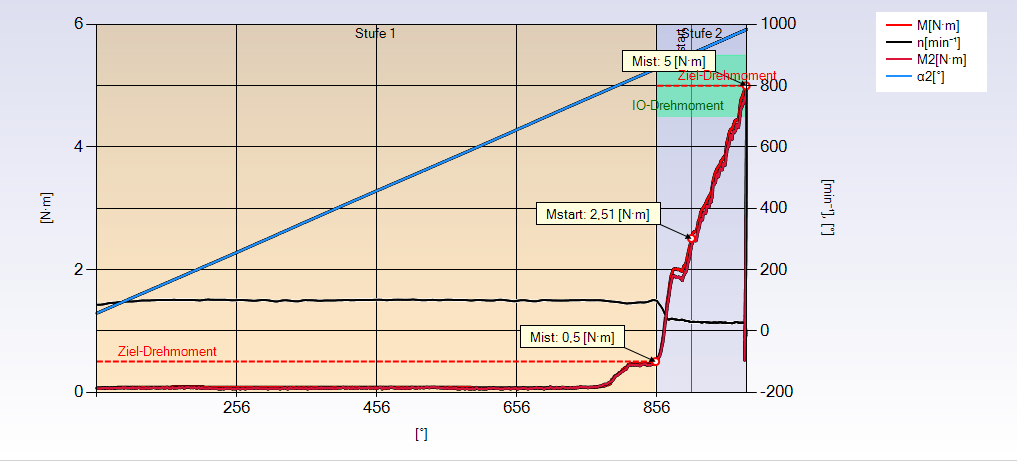
NOK example of an EC2, red curves correspond to the two sensors
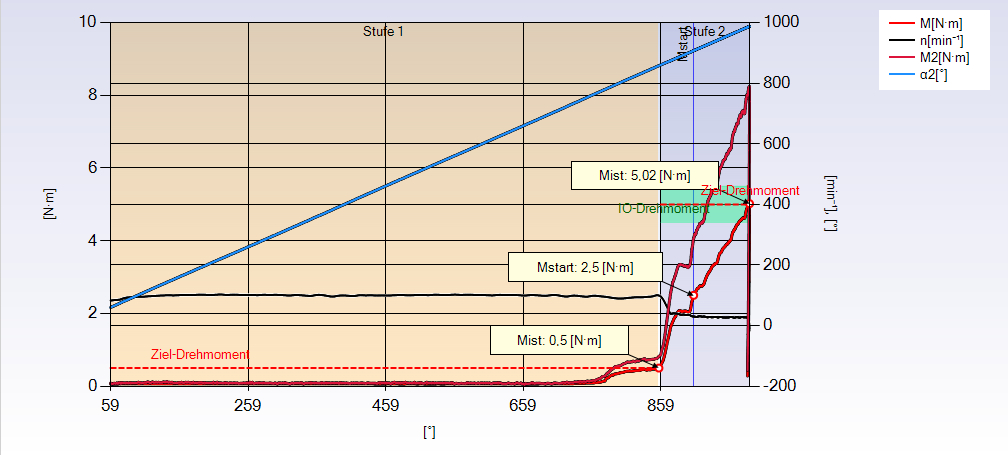
OK—example of an EC2; the red curves correspond to the two sensors.
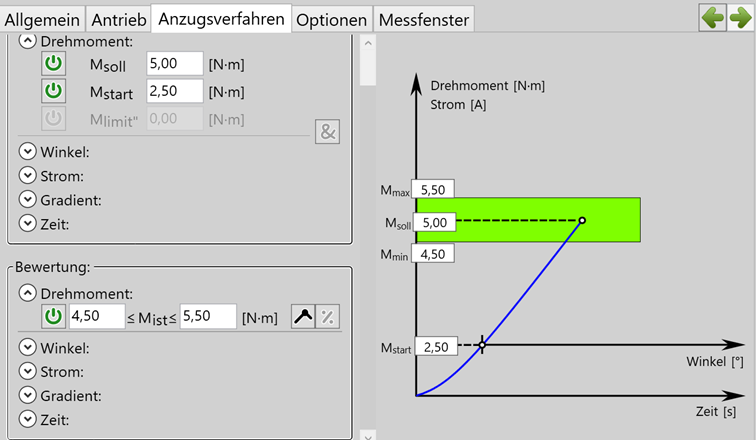
Example program setting in the tool manager
Conclusion
Technical Redundancy of the Sensorik in the EC screw system offers a practical way to lower testing costs, increase process reliability, and reduce downtime. For assembly managers, quality managers, and buyers, the TorqBee EC2seriesseries is therefore an attractive solution: less inspection effort, better data, and verifiable precision. This is especially true when dealing with a large number of bolted jointsper day.