

Ergonomics in Screwing Processes
Why Reducing the Burden on the Healthcare System and Process Reliability Go Hand in Hand
Ergonomics in Screwdriving Processes: Torque Supports for Safe and Efficient Assembly
In industrial fastening technology, ergonomics is a critical factor in the long-term performance of employees and processes. Repetitive fastening tasks, high cycle rates, and physically demanding applications, in particular, create strains that are often underestimated in day-to-day work. Ergonomic design of assembly workstations helps reduce physical strain while improving process reliability.
Why Ergonomics Is So Important in Screw-Fastening Processes
In manual and hand-guided fastening processes, forces act not only on the component but also on the operator. Reaction forces, one-sided movements, and poor posture can place long-term strain on the shoulders, arms, wrists, and back. If these factors are not taken into account when designing fastening workstations, this can lead to health problems, downtime, and a decline in the quality of the assembly process.
Optimized ergonomics in the assembly process offer clear advantages here:
- less physical strain on employees
- better control of the screwdriver
- greater repeatability
- Improved quality and stability in the screwdriving process
- fewer errors and less rework
Torque-Support Systems as a Solution for Ergonomic Screwdriving Workstations
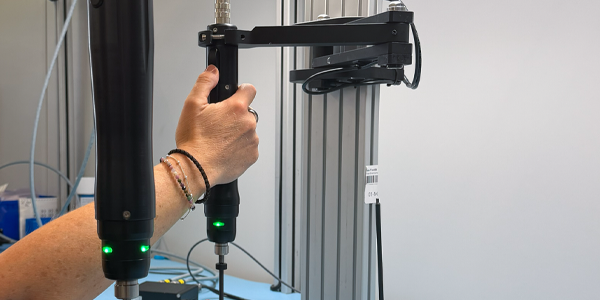
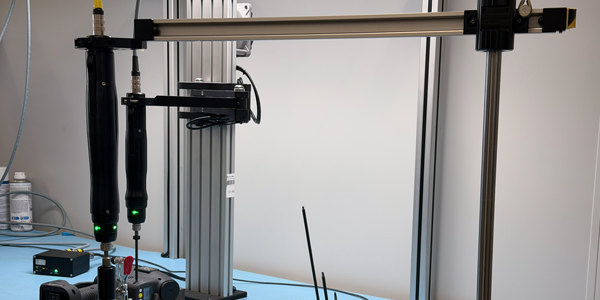
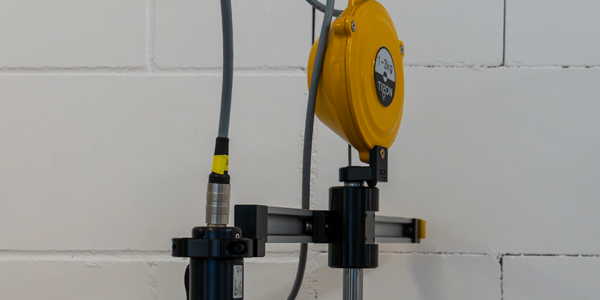
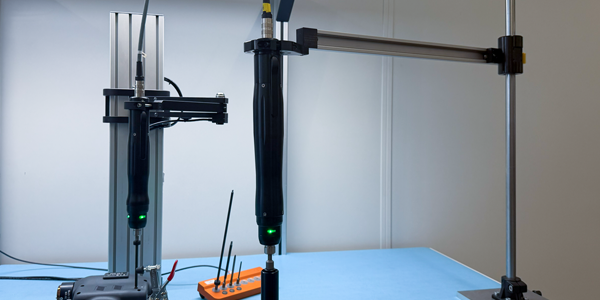
Torque supports are an effective measure for ergonomic optimization. They absorb the reaction forces generated during screwdriving, thereby immediately reducing the strain on the user. At the same time, they help ensure stable and controlled guidance of the tool.
The use of torque supports offers significant advantages, particularly during repetitive or high-torque fastening operations:
- Relief for the shoulder, arm, and wrist
- Improved handling of the screwdriver
- more ergonomic workflows
- greater process reliability during assembly
- Consistent quality in mass-production applications
This makes torque supports an important component of modern, ergonomic fastening technology.
Thinking About Ergonomics and Process Safety Together
Companies that ergonomically optimize their assembly workstations not only improve working conditions but also boost their manufacturing efficiency. Good ergonomics helps employees perform repetitive tasks safely and has a positive impact on productivity, quality, and availability.
Especially in industrial applications involving high-volume production, it is worthwhile to design screwdriving processes with ergonomics in mind and to make targeted use of technical support systems.